Tax compliance has become an essential part of doing business in the United Arab Emirates. With VAT and Corporate Tax forming important parts of the UAE tax framework, businesses need to understand their applicable obligations, maintain accurate financial records, and meet relevant filing requirements on time.
For business owners, managing tax compliance while focusing on daily operations can be challenging. Incorrect tax calculations, incomplete records, missed deadlines, or incorrectly classified transactions may create unnecessary compliance risks.
This is where professional UAE tax return filing services can help.
Whether you operate a startup, SME, mainland company, free zone business, or an established enterprise, professional tax support can make the filing process more organized and efficient.
What Are UAE Tax Return Filing Services?
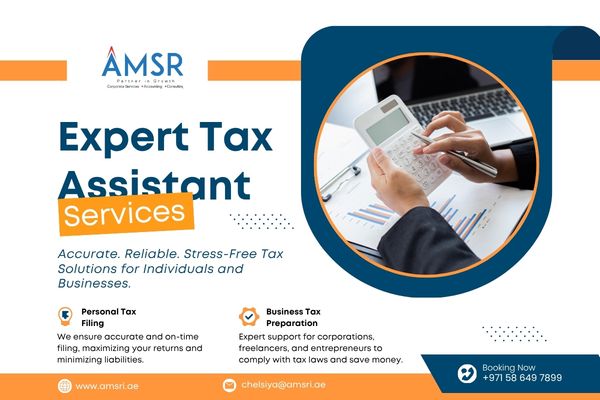
UAE tax return filing services provide professional assistance with preparing, reviewing, and submitting applicable tax returns in accordance with UAE tax regulations.
Depending on a company’s circumstances, tax compliance may involve VAT return filing, Corporate Tax compliance, tax registration, financial record reviews, documentation, and responses to tax-related queries.
A professional tax consultant can assist businesses with:
- Reviewing financial and tax records
- Identifying applicable tax obligations
- Calculating tax liabilities
- Preparing tax returns
- Checking supporting documentation
- Reconciling accounting and tax records
- Submitting returns through the relevant authority systems
- Monitoring filing deadlines
- Providing ongoing tax compliance guidance
The objective is not simply to submit a return. A structured tax process helps businesses maintain accurate records and manage their compliance responsibilities more effectively.
Who Needs Tax Return Filing Services in the UAE?
Tax obligations vary according to a business’s activities, legal structure, registration status, turnover, and other relevant circumstances.
Professional tax return filing services in the UAE may be particularly useful for:
- Small and medium-sized businesses
- Startups
- Mainland companies
- Free zone companies
- Large enterprises
- Branches of overseas companies
- VAT-registered businesses
- Businesses with Corporate Tax obligations
Businesses should not assume that every company has identical filing requirements. Their tax position should be assessed based on their specific circumstances and the applicable UAE regulations.
VAT Return Filing in the UAE
VAT return filing is an important compliance responsibility for businesses registered for VAT.
VAT-registered businesses generally need to maintain appropriate records and submit VAT returns according to their assigned filing periods.
The VAT filing process may involve reviewing:
- Taxable sales
- Taxable purchases
- Output VAT
- Eligible input VAT
- Zero-rated supplies
- Exempt supplies
- Adjustments
- Tax invoices and supporting records
Errors in transaction classification or incomplete documentation can affect VAT reporting.
Professional VAT return filing services in Dubai and the UAE can help businesses review transactions, reconcile VAT records, calculate applicable amounts, and prepare the required return for submission.
Corporate Tax Return Filing in the UAE
Corporate Tax is another major consideration for businesses operating in the UAE.
Corporate Tax compliance is not simply a matter of applying a tax percentage to total business revenue. Businesses may need to determine their taxable income, review applicable deductions and adjustments, and consider exemptions or other provisions relevant to their circumstances.
Professional Corporate Tax support in the UAE may include:
- Corporate Tax registration assistance
- Reviewing accounting records
- Assessing the company’s tax position
- Reviewing taxable income
- Examining relevant expenses and adjustments
- Preparing Corporate Tax returns
- Reviewing supporting documentation
- Providing ongoing compliance guidance
Because Corporate Tax rules can depend on the individual circumstances of a business, professional review can help companies better understand their obligations.
How Does UAE Tax Return Filing Work?
The tax filing process generally involves several stages.
1. Review Financial Records
The process starts with reviewing relevant financial information, including sales invoices, purchase invoices, expense records, bank statements, accounting reports, and tax-related documentation.
Accurate source records are essential for accurate tax reporting.
2. Identify Tax Obligations
The business’s circumstances are reviewed to determine which tax requirements may apply, such as VAT or Corporate Tax obligations.
3. Reconcile Records
Accounting records should be reconciled with tax records before filing. This can help identify discrepancies, missing transactions, or incorrect entries.
4. Calculate Tax Liability
The applicable tax amount is calculated using the relevant records and rules.
For VAT, this may involve reviewing output VAT and eligible input VAT.
For Corporate Tax, the calculation depends on taxable income and the applicable Corporate Tax framework.
5. Prepare the Return
The required tax return is prepared using the reviewed financial and tax information.
Before submission, figures and required disclosures should be checked carefully.
6. Submit the Return
The return is submitted through the applicable UAE tax authority system within the relevant deadline.
7. Maintain Ongoing Compliance
Tax compliance continues after filing. Businesses should maintain records, monitor future deadlines, review transactions, and respond appropriately to tax authority communications.
Why Use Professional UAE Tax Return Filing Services?
Managing tax compliance internally may be suitable for some businesses. However, professional assistance can provide additional expertise and administrative support.
Improve Filing Accuracy
A structured review can help identify calculation errors, missing information, inconsistencies, and potential classification issues before submission.
Save Time
Tax preparation can require considerable administrative work. Outsourcing appropriate tasks allows business owners and finance teams to focus on core operations.
Manage Deadlines
Tax deadlines should be carefully monitored. Professional tax support can help businesses maintain a compliance calendar and organize required submissions.
Understand Changing Requirements
The UAE tax environment continues to develop. Professional advisors can help businesses understand applicable changes and assess their potential impact.
Receive Ongoing Support
A professional tax consultancy can provide assistance beyond individual returns, including registrations, compliance reviews, documentation, and tax-related queries.
Common Tax Filing Mistakes Businesses Should Avoid
Businesses should take care to avoid common compliance problems such as:
- Incorrect VAT classification
- Missing tax invoices or supporting documents
- Incorrect input VAT claims
- Inaccurate accounting records
- Failure to reconcile accounts
- Missing filing deadlines
- Incorrect tax calculations
- Ignoring tax authority communications
Maintaining organized records and reviewing tax information before submission can significantly improve the overall filing process.
How to Choose the Best Tax Return Filing Service in the UAE
Choosing a tax consultancy should involve more than comparing prices.
Consider these factors before selecting a provider:
Knowledge of UAE Tax Regulations: The provider should understand the UAE tax framework and applicable compliance requirements.
Relevant Business Experience: Experience with businesses similar to yours can make the assessment and communication process more effective.
Transparent Services: Confirm whether the service includes record review, tax calculation, return preparation, filing, consultations, and follow-up assistance.
Communication: A reliable provider should communicate clearly about required documents, deadlines, and compliance matters.
Ongoing Support: A long-term tax support relationship can be more valuable than assistance with a single filing.
How Tax Compliance Supports Business Growth
Tax compliance is more than an administrative responsibility. Accurate financial and tax records can support better business decision-making.
Well-maintained records can help business owners understand:
- Cash flow
- Operating expenses
- Financial performance
- Budget requirements
- Expansion opportunities
- Investment decisions
Strong accounting and tax processes can also demonstrate better financial organization when dealing with banks, investors, suppliers, or business partners.
Tax Filing Support for Startups and SMEs
Startups and SMEs often operate with limited internal finance resources. As a company grows, however, the number of transactions and compliance responsibilities can increase.
Professional tax support can help growing businesses establish better processes for:
- Maintaining financial records
- Managing tax registrations
- Organizing invoices
- Understanding tax obligations
- Monitoring filing deadlines
- Preparing tax returns
- Maintaining supporting documentation
Building these processes early can make future tax compliance more manageable.
Why Choose AMSRI for Tax Support in the UAE?
AMSRI provides taxation support services in Dubai to help businesses manage their applicable tax and compliance responsibilities.
Its tax support can cover areas such as:
- Tax registration
- VAT compliance
- Corporate Tax support
- Tax return preparation and filing
- Compliance reviews
- Tax documentation
- Ongoing tax guidance
AMSRI takes a business-focused approach to tax support, helping clients understand their requirements and establish structured processes based on their individual circumstances.
Businesses can explore AMSRI Taxation Support Services in Dubai to learn more about available tax compliance assistance.
Frequently Asked Questions About UAE Tax Return Filing
UAE tax return filing services provide professional assistance with reviewing financial records, calculating applicable taxes, preparing returns, submitting them through the relevant system, and supporting ongoing compliance.
Not necessarily. Tax filing requirements depend on the applicable UAE tax rules and the individual circumstances of the business, including its activities, registration status, and tax position.
Requirements vary depending on the tax involved and the business. Documents may include financial statements, sales and purchase records, tax invoices, accounting records, tax registration information, and other supporting documents.
Yes. Tax consultancies may provide support for both VAT and Corporate Tax, depending on their services and the client’s specific requirements.
Accurate bookkeeping provides reliable financial information for tax calculations and helps businesses support the figures reported in their tax returns.
Missing an applicable deadline can result in penalties or other compliance consequences. Businesses should monitor their filing dates and seek professional advice if they are uncertain about their obligations.
Final Thoughts
UAE tax return filing services can help businesses manage tax compliance with greater organization and confidence. Accurate records, proper tax calculations, timely filing, and appropriate documentation are all important elements of an effective tax process.
Whether you run a startup, SME, free zone company, mainland business, or established enterprise, professional tax support can reduce administrative pressure and help you manage your applicable VAT and Corporate Tax responsibilities.
For businesses looking for structured assistance with tax registration, VAT compliance, Corporate Tax, and tax return filing in Dubai, AMSRI can provide professional taxation support tailored to business requirements.