What happens when every invoice your business sends must be verified, formatted, and transmitted through a regulated digital network?
This is the direction many countries are moving toward as electronic invoicing becomes the global standard for financial transparency and tax reporting. Governments worldwide are replacing traditional invoicing systems with structured digital frameworks that allow invoices to be processed automatically between businesses and tax authorities.
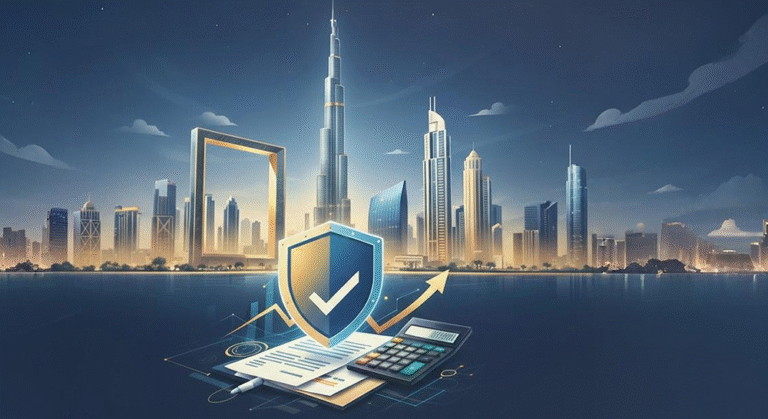
The United Arab Emirates is also preparing for this shift as part of its broader digital transformation and tax modernization initiatives. For businesses operating in Dubai and across the UAE, this means transitioning from conventional invoicing methods to standardized digital formats. As these changes take shape, companies are increasingly relying on E-Invoicing Service Providers in Dubai, UAE, to implement compliant systems and prepare for the future of E-Invoicing in the UAE.
What is E-Invoicing?
E-invoicing refers to the electronic generation, exchange, and storage of invoices in a structured digital format that allows systems to automatically process invoice data. Unlike traditional PDF invoices or paper documents, electronic invoices are designed to be machine readable.
This means accounting systems, enterprise software, and government reporting platforms can exchange invoice data automatically without manual entry.
Across the world, governments have introduced e-invoicing frameworks to improve tax compliance and reduce financial reporting errors. These systems allow authorities to receive standardized invoice data while enabling businesses to automate financial processes.
In the UAE, the move toward electronic invoicing aligns with broader efforts to modernize the financial and regulatory ecosystem.
Why E-Invoicing is Becoming Important in the UAE
The UAE has positioned itself as a global digital economy hub. Initiatives such as VAT implementation, digital government services, and financial transparency programs have already modernized many business processes.
E-invoicing is expected to further strengthen these systems by creating a standardized digital framework for invoice reporting.
Key reasons for adopting E invoicing UAE include:
• Improving tax reporting accuracy
• Reducing manual invoicing errors
• Enhancing transparency in financial transactions
• Streamlining business accounting operations
• Supporting the UAE’s digital transformation strategy
For businesses, this transition requires technology systems capable of generating and transmitting structured digital invoices.
The Role of E-Invoicing Service Providers in Dubai, UAE
Implementing electronic invoicing requires more than simply sending invoices digitally. Businesses must ensure their systems comply with regulatory requirements and technical standards.
This is where E-Invoicing Service Providers in Dubai, UAE, play a critical role.
These service providers help organizations implement compliant digital invoicing systems that integrate with accounting software and financial platforms.
Typical services offered by an E-invoicing Service Provider UAE include:
• Integration with accounting or ERP systems
• Automated invoice creation in structured formats
• Secure transmission of invoice data
• Compliance with regulatory standards
• Digital storage and record management
Working with experienced providers helps businesses implement efficient invoicing systems while maintaining compliance with regulatory frameworks.
Understanding Pre-Approved eInvoicing Service Providers
In many countries implementing electronic invoicing, governments authorize specific platforms to operate within the invoicing network. These are commonly referred to as Pre-Approved e-invoicing Service Providers.
These providers meet strict technical, security, and data transmission standards set by regulatory authorities.
Businesses that connect to these approved platforms can securely exchange invoices through a regulated network while ensuring that invoice data meets compliance requirements.
Working with Pre-Approved e-invoicing Service Providers ensures:
• Secure data exchange
• Standardized invoice formats
• Compliance with government frameworks
• Reliable invoice transmission systems
This structured ecosystem allows businesses and regulators to maintain accurate and transparent financial records.
Key Benefits of E-Invoicing for Businesses
Adopting electronic invoicing offers several operational advantages for organizations.
Faster Invoice Processing
Manual invoice processing often involves multiple stages of data entry and verification. E-invoicing automates much of this process, allowing invoices to be generated, transmitted, and processed more quickly.
Reduced Errors
Structured invoice data reduces the risk of human errors that can occur during manual invoice entry or document handling.
Better Financial Visibility
Digital invoicing systems allow businesses to track invoice status, monitor payments, and maintain better visibility over receivables.
Improved Compliance
E-invoicing ensures that invoice data is formatted according to regulatory requirements, reducing the risk of compliance issues.
Lower Administrative Costs
Automation reduces paperwork, manual data entry, and administrative workload, allowing finance teams to focus on more strategic tasks.
How the E-Invoicing Process Works
While specific frameworks may vary between countries, the e-invoicing workflow generally follows a structured digital process.
Invoice Creation
Invoices are generated through accounting or ERP systems using a standardized digital format.
Data Validation
The invoice data is validated to ensure that all required fields and compliance rules are met.
Secure Transmission
The invoice is transmitted through a regulated digital network or an E-invoicing Service Provider UAE.
Delivery and Processing
The recipient’s system receives the invoice automatically and processes the information digitally.
Digital Record Storage
Invoices are stored electronically for reporting, auditing, and regulatory compliance purposes.
This automated process improves efficiency and ensures consistency in financial reporting.
How Businesses Can Prepare for E-Invoicing
Although many companies already send digital invoices, true e-invoicing requires structured data exchange and integration with approved networks.
Businesses preparing for E-invoicing UAE should consider the following steps:
• Review existing invoicing and accounting systems
• Ensure systems support structured digital invoices
• Understand regulatory compliance requirements
• Evaluate integration with e-invoicing platforms
• Work with experienced implementation partners
Early preparation allows businesses to transition smoothly once formal regulatory frameworks are introduced.
Why Businesses Work with Professional E-Invoicing Providers
Implementing e-invoicing systems involves technical integration, regulatory understanding, and secure data management.
Working with professional E-Invoicing Service Providers in Dubai, UAE simplifies this process by providing:
• Technical implementation support
• Regulatory compliance guidance
• Secure invoicing infrastructure
• System integration expertise
• Ongoing operational support
This allows businesses to adopt electronic invoicing with minimal disruption to their financial operations.
Conclusion
Electronic invoicing is rapidly becoming the global standard for financial transactions. As the UAE continues advancing its digital economy initiatives, businesses will increasingly need systems capable of supporting structured electronic invoices.
Adopting compliant digital invoicing systems not only ensures regulatory readiness but also improves operational efficiency and financial transparency. By working with experienced E-Invoicing Service Providers in Dubai, UAE, organizations can implement reliable invoicing systems that align with the evolving requirements of E-invoicing UAE while streamlining their financial operations. Connect with AMSRI today to explore professional E-invoicing solutions